
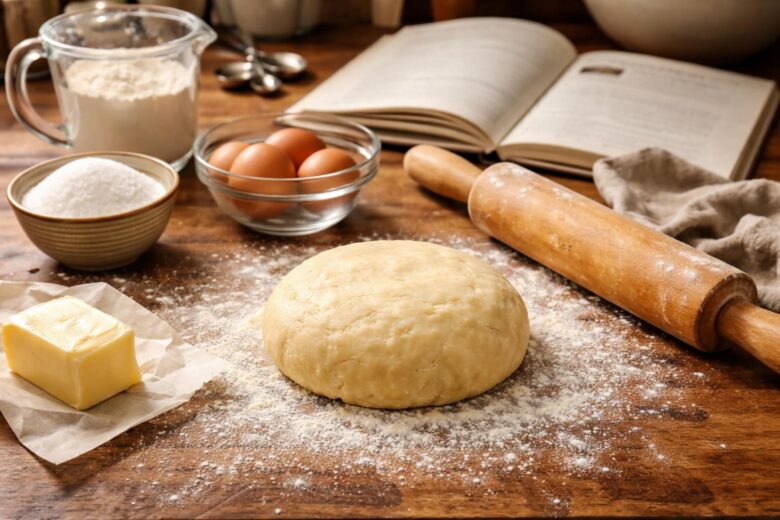
Finding the perfect crust is like finding a gold mine in your kitchen. This Paula Deen Pie Dough Recipe is the only one you will ever need. It is flaky, buttery, and incredibly easy to handle.
If you want to know how to make Paula Deen Pie Dough, you are in the right place. This recipe brings that classic Southern charm to your favorite dessert or savory pot pie. Let’s bake something amazing together!
What Makes This Paula Deen Pie Dough Special
The magic of this crust lies in the fat. Paula Deen uses a mix of butter and shortening. The butter gives it a rich, golden flavor. The shortening makes the crust super flaky and easy to roll.
It is a foolproof method for beginners. You get a sturdy crust that melts in your mouth. It feels like a warm hug from a Southern grandmother.
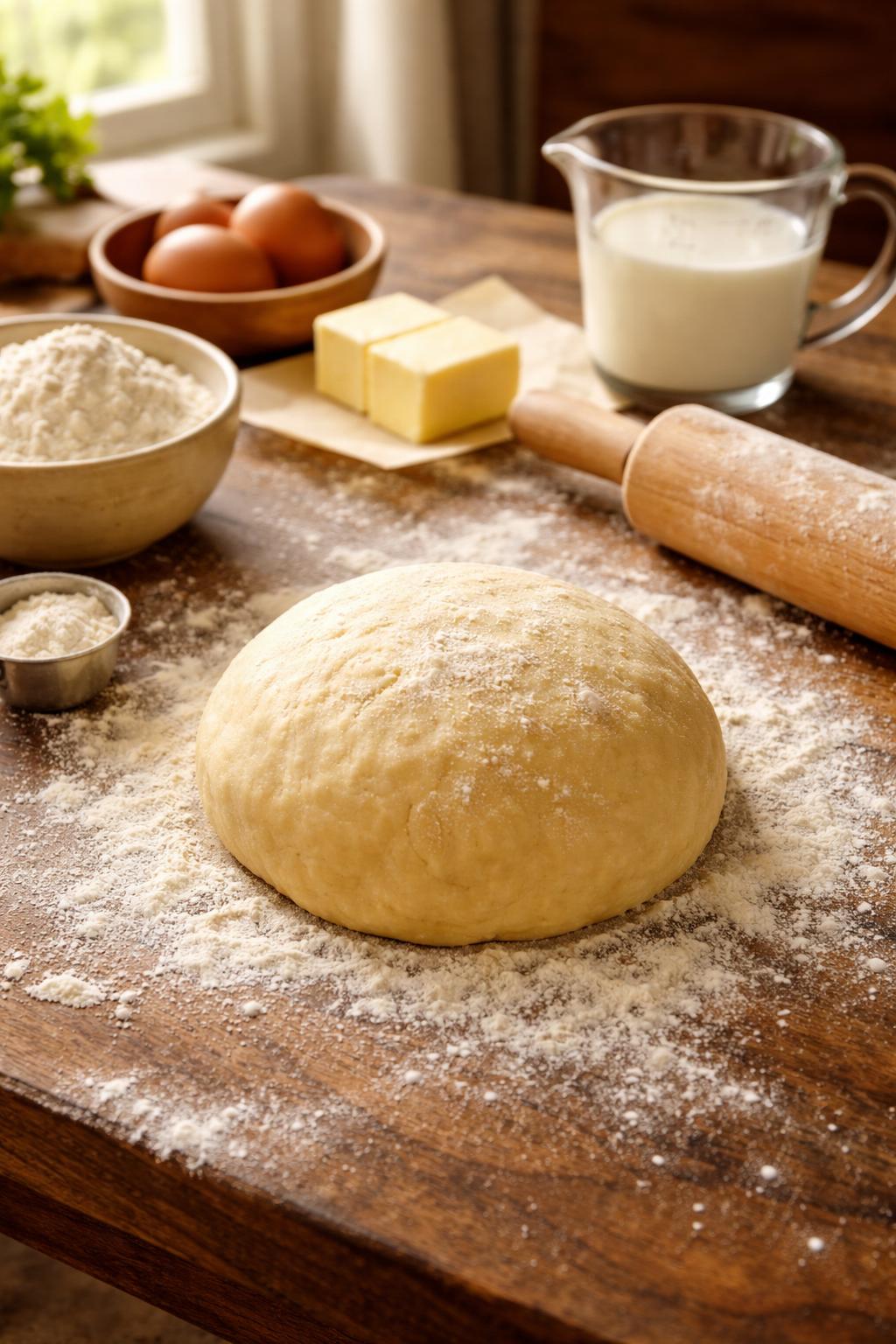
Equipment List
- Large mixing bowl
- Pastry cutter or two forks
- Measuring cups and spoons
- Plastic wrap
- Rolling pin
- 9-inch pie plate
- Kitchen scale (optional)
Recipe Overview
- Recipe Name: Paula Deen Pie Dough
- Servings: 2 crusts (top and bottom)
- Prep Time: 15 mins
- Cook Time: 0 mins (Dough only)
- Total Time: 75 mins (includes chilling)
- Course: Dessert / Base
- Cuisine: American Southern
- Calories: 140 kcal per serving
Ingredients You Need for Paula Deen Pie Dough Recipe
To start, gather these ingredients for Paula Deen Pie Dough. Keeping everything cold is the secret to success.
- 2 ½ cups all-purpose flour
- 1 teaspoon salt
- 1 tablespoon granulated sugar
- 1 cup (2 sticks) unsalted butter, chilled and cubed
- ¼ cup vegetable shortening, chilled
- ¼ to ½ cup ice-cold water
Step-by-Step Guide
1. Mix Dry Ingredients
Whisk the flour, salt, and sugar in a large bowl. Make sure they are well combined. This ensures every bite of your crust is seasoned perfectly. Use a large bowl to avoid a floury mess on your counter.
2. Cut in the Fats
Add the cold butter cubes and shortening to the flour. Use a pastry cutter to blend them. The mixture should look like coarse crumbs or small peas. Do not overmix; you want those visible fat chunks for flakiness.
3. Add Ice Water
Slowly drizzle in the ice water one tablespoon at a time. Toss the flour gently with a fork after each addition. Stop adding water when the dough starts to clump together. It should feel moist but not sticky.
4. Form the Dough Balls
Turn the dough out onto a lightly floured surface. Gently press it into two even disks. Do not kneed the dough too much. Overworking the dough makes the crust tough instead of flaky.
5. Chill the Dough
Wrap each disk tightly in plastic wrap. Place them in the refrigerator for at least one hour. Chilling relaxes the gluten and firms up the fat. This step makes the dough much easier to roll out later.
6. Roll Out the Crust
Dust your work surface and rolling pin with flour. Roll the dough from the center outward. Rotate the dough often to prevent sticking. Aim for a circle about two inches wider than your pie plate.
7. Transfer to Pie Plate
Gently fold the dough in half or roll it over your rolling pin. Lift it and center it over the pie plate. Unroll it and press it into the bottom and sides. Trim the excess edges with scissors.
8. Crimp the Edges
Tuck the overhanging dough under itself to create a thick border. Use your fingers or a fork to press a pattern. This seals the pie and makes it look beautiful. Your Paula Deen Pie Dough Recipe is now ready for filling!
Expert Tips & Variations
- Keep it Cold: Use frozen butter if your kitchen is warm. Cold fat creates steam pockets which make the crust rise.
- The Vodka Trick: Replace half the water with cold vodka. It makes the dough easier to roll and evaporates quickly in the oven.
- Savory Twist: Omit the sugar and add a teaspoon of dried herbs. Thyme or rosemary works great for chicken pot pies.
- Sweet Sparkle: Brush the edges with an egg wash. Sprinkle coarse sugar on top for a professional, crunchy finish.
- Don’t Stretch: When placing the dough in the pan, don’t pull it. Stretched dough will shrink back while baking.
Interesting Facts About Pie Dough
Did you know that early pie crusts were not meant to be eaten? In medieval times, they were thick “coffyns” used just to preserve the meat inside. Over time, bakers added fats like butter and lard to make them tasty.
Paula Deen’s version celebrates the American tradition of using shortening for height. It is a perfect blend of old-school technique and modern flavor.
Perfect Dishes to Serve With Paula Deen Pie Dough
This crust is very versatile. You can fill it with classic granny smith apples and cinnamon. It also works beautifully for a silky chocolate silk pie or a tangy lemon meringue.
If you want something savory, try it with a cheesy quiche. It holds up well against heavy fillings without getting soggy.
Storage and Reheating Tips
- Refrigerator: Store raw dough disks in plastic wrap for up to 3 days.
- Freezer: You can freeze the dough for up to 3 months. Thaw it overnight in the fridge before rolling.
- Pre-baked Shells: If you bake the crust empty, store it at room temperature for 2 days.
- Reheating: Always reheat filled pies in the oven at 350°F. Avoid the microwave, as it makes the crust rubbery.
- Make Ahead: You can roll the dough into the pan and freeze the whole thing. Just wrap it well to prevent freezer burn.
Nutrition Information
| Nutrient | Amount per Serving |
| Calories | 140 kcal |
| Total Fat | 9g |
| Saturated Fat | 5g |
| Carbohydrates | 13g |
| Protein | 2g |
| Sodium | 95mg |
Health Benefits
While pie dough is a treat, making it from scratch has benefits. You avoid the preservatives and trans fats found in store-bought crusts. Using real butter provides a small amount of Vitamin A.
By controlling the ingredients, you can reduce the salt or sugar. It is a much better choice for your family than highly processed alternatives.
FAQs about Paula Deen Pie Dough Recipe
Can I use only butter for this recipe?
Yes, you can replace the shortening with more butter. The crust will taste even richer. However, it might be slightly less flaky and a bit harder to roll out. Shortening has a higher melting point which helps the texture.
Why did my pie crust turn out tough?
Tough crust usually happens from over-handling the dough. When you mix flour with water, gluten forms. If you kneed it too much, that gluten becomes strong and chewy. Always use a light touch and keep your ingredients cold.
Do I need to poke holes in the bottom?
If you are baking the crust without a filling, yes. This is called “docking.” It lets steam escape so the bottom doesn’t puff up. If you are baking a filled pie, you usually do not need to poke holes.
Final Thoughts
The Paula Deen Pie Dough Recipe is a true kitchen staple. It turns any simple filling into a spectacular dessert. Remember to keep your butter cold and your hands light. Once you taste this flaky, Southern-style crust, you will never buy a frozen one again. Happy baking!
Paula Deen Pie Dough Recipe

Ingredients
- 2 ½ cups all-purpose flour
- 1 teaspoon salt
- 1 tablespoon granulated sugar
- 1 cup 2 sticks unsalted butter, chilled and cubed
- ¼ cup vegetable shortening chilled
- ¼ to ½ cup ice-cold water
Instructions
Mix Dry Ingredients
- Whisk the flour, salt, and sugar in a large bowl. Make sure they are well combined. This ensures every bite of your crust is seasoned perfectly. Use a large bowl to avoid a floury mess on your counter.
Cut in the Fats
- Add the cold butter cubes and shortening to the flour. Use a pastry cutter to blend them. The mixture should look like coarse crumbs or small peas. Do not overmix; you want those visible fat chunks for flakiness.
Add Ice Water
- Slowly drizzle in the ice water one tablespoon at a time. Toss the flour gently with a fork after each addition. Stop adding water when the dough starts to clump together. It should feel moist but not sticky.
Form the Dough Balls
- Turn the dough out onto a lightly floured surface. Gently press it into two even disks. Do not kneed the dough too much. Overworking the dough makes the crust tough instead of flaky.
Chill the Dough
- Wrap each disk tightly in plastic wrap. Place them in the refrigerator for at least one hour. Chilling relaxes the gluten and firms up the fat. This step makes the dough much easier to roll out later.
Roll Out the Crust
- Dust your work surface and rolling pin with flour. Roll the dough from the center outward. Rotate the dough often to prevent sticking. Aim for a circle about two inches wider than your pie plate.
Transfer to Pie Plate
- Gently fold the dough in half or roll it over your rolling pin. Lift it and center it over the pie plate. Unroll it and press it into the bottom and sides. Trim the excess edges with scissors.
Crimp the Edges
- Tuck the overhanging dough under itself to create a thick border. Use your fingers or a fork to press a pattern. This seals the pie and makes it look beautiful. Your Paula Deen Pie Dough Recipe is now ready for filling!
Notes
- Keep it Cold: Use frozen butter if your kitchen is warm. Cold fat creates steam pockets which make the crust rise.
- The Vodka Trick: Replace half the water with cold vodka. It makes the dough easier to roll and evaporates quickly in the oven.
- Savory Twist: Omit the sugar and add a teaspoon of dried herbs. Thyme or rosemary works great for chicken pot pies.
- Sweet Sparkle: Brush the edges with an egg wash. Sprinkle coarse sugar on top for a professional, crunchy finish.
- Don’t Stretch: When placing the dough in the pan, don’t pull it. Stretched dough will shrink back while baking.
Emily Carter is a passionate home cook and recipe creator. She shares easy, family-friendly meals with a modern twist. Her focus is on simple ingredients, clear steps and soulful, delicious food that everyone can enjoy.